

Safeguarding Your Home in the Rainy Pacific Northwest: Key Tips for Homeowners
"In the lush and beautiful Pacific Northwest, heavy rainfall is a common occurrence. While the region's climate contributes to the stunning landscape, it also presents unique challenges for homeowners. Rain can be a friend and a foe. The key is knowing how to manage it effectively. In this blog, we'll explore essential tips for homeowners in the rainy Pacific Northwest, helping you protect your investment and ensure a dry and comfortable living environment in this picturesque yet moisture-laden region."
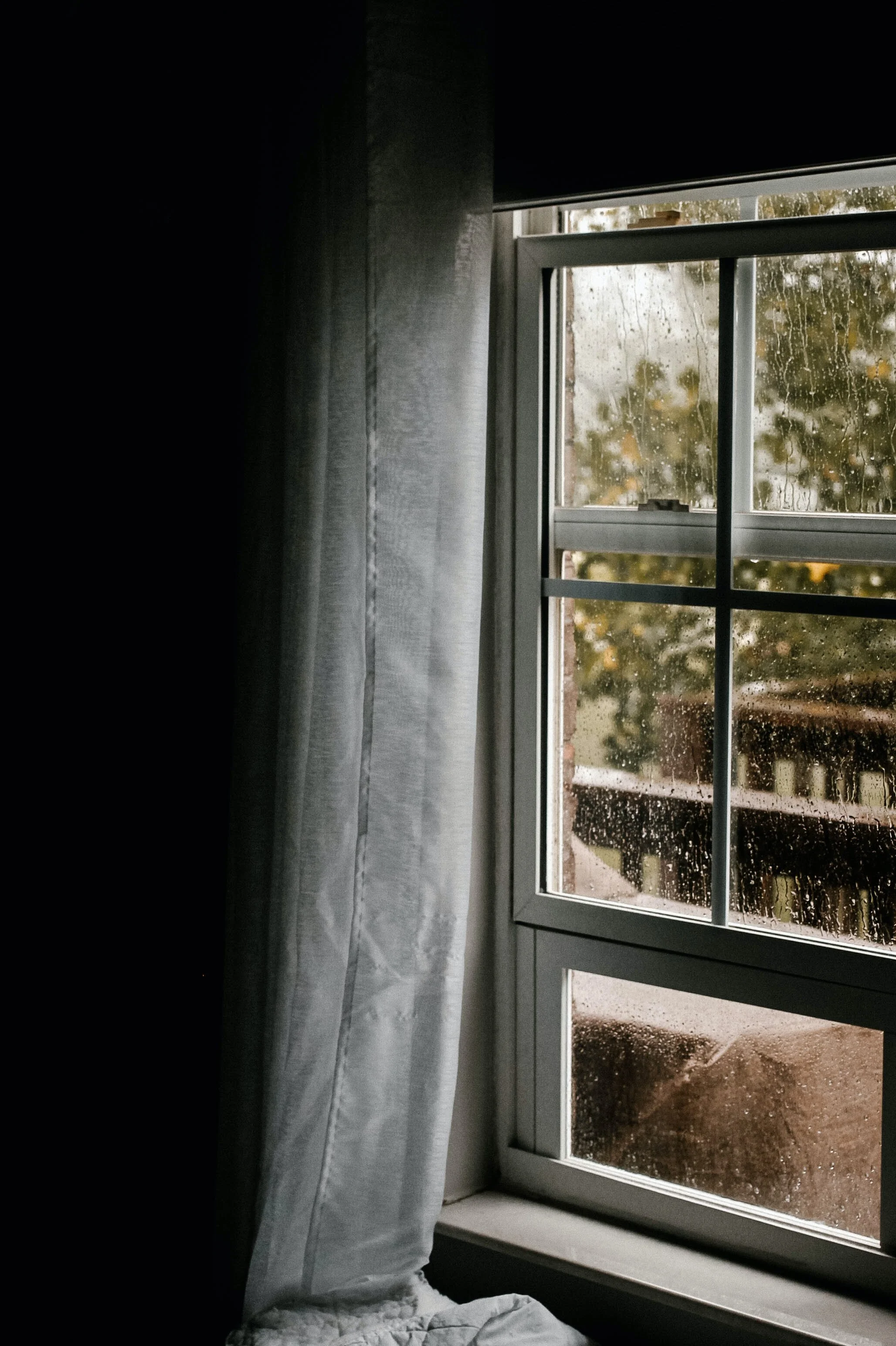
Living in the picturesque Pacific Northwest offers unparalleled natural beauty, but it also comes with its fair share of rainy weather. As a homeowner in this region, it's essential to be proactive in protecting your investment from the elements. In this blog post, we'll explore the importance of home maintenance in the rainy Pacific Northwest and how Details Home Inspections can help you keep your home in top shape.
Inspect and Clean Gutters:
Heavy rainfall in the PNW can lead to clogged gutters. Leaves, debris, and even moss can accumulate and obstruct proper water drainage, potentially causing water damage to your home. Regularly inspect and clean your gutters to ensure they can efficiently direct rainwater away from your home's foundation.
Check for Roof Leaks:
Your roof is your first line of defense against the rain. Inspect your roof for missing or damaged shingles, signs of leaks, and ensure that flashings are properly sealed. A leaky roof can lead to water damage, mold growth, and costly repairs.
Maintain Proper Drainage:
It's important to ensure that the grading around your home slopes away from the foundation to prevent water from pooling. Additionally, consider installing French drains or other drainage systems to divert excess rainwater away from your property.
Protect Wood Surfaces:
The PNW's constant moisture can take a toll on wooden decks, siding, and fences. Regularly inspect and seal these surfaces to prevent rot and extend their lifespan. Consider using weather-resistant materials for replacements and repairs.
Prevent Mold and Mildew:
With high humidity and moisture levels, the Pacific Northwest is a prime environment for mold and mildew growth. Regularly check your home's interior for signs of mold, especially in areas prone to dampness, such as basements and bathrooms.
Seal Windows and Doors:
Drafty windows and doors can let in rain and moisture, causing discomfort and energy inefficiency. Seal any gaps and consider installing weatherstripping to improve insulation and keep your home cozy and dry.
Schedule Regular Home Inspections:
One of the most effective ways to ensure your home is prepared for the rainy PNW weather is to schedule regular home inspections with a reputable company like Details Home Inspections. Our experienced inspectors can identify potential issues, including water damage, leaks, and mold, helping you address them before they become major problems.
At Details Home Inspections, we offer comprehensive home inspections that focus on identifying potential issues related to the rainy Pacific Northwest climate. Our skilled inspectors can help you stay ahead of maintenance needs and ensure your home remains a safe and comfortable haven, no matter how wet the weather gets.
Homeownership in the rainy Pacific Northwest is a rewarding experience, but it comes with the responsibility of keeping your property safe and dry. Regular maintenance, including gutter cleaning, roof inspections, and sealing, is essential to protect your investment. For a deeper understanding of your home's condition and potential issues, trust Details Home Inspections to provide comprehensive inspections. With our help, you can keep your home in tip-top shape, ready to withstand the beautiful yet challenging weather of the PNW.
Details Home Inspections proudly serves a wide array of locations, including Southwest Washington areas such as Clark County, Cowlitz, Lewis, and surrounding regions. In Washington, we cover Vancouver, Battle Ground, Camas, Washougal, Ridgefield, Woodland, La Center, Longview, Kelso, Kalama, Brush Prairie, Hockinson, Hazel Dell, Salmon Creek, Felida, Cascade Park, Stevenson, Carson, Orchards, and Yacolt.
Additionally, our service extends to Portland, OR, and its neighboring areas, including Clackamas, Happy Valley, Milwaukie, Oregon City, Boring, Damascus, Gresham, Sandy, Troutdale, West Linn, Lake Oswego, Gladstone, Canby, Estacada, Welches, Beaverton, Tigard, Hillsboro, Tualatin, Sherwood, and Wilsonville.
Wherever your home is, trust Details Home Inspections for comprehensive and reliable inspection services, ensuring your peace of mind and the safety of your property.

Breathing Easy: Radon Awareness and Testing for Home Safety
Radon is a colorless, odorless radioactive gas that seeps into homes through cracks and openings, posing a significant health risk. It's the second leading cause of lung cancer, making radon awareness and testing crucial for your family's safety.
When it comes to the safety and well-being of your family, you want to ensure that your home is free from potential health hazards. One such hidden threat that many homeowners may not be aware of is radon gas. In this blog, we'll explore the importance of radon awareness and why testing for radon levels is essential for maintaining a healthy living environment. At Details Home Inspections, we offer radon testing as part of our comprehensive home inspection services, allowing you to breathe easy in your own home.
Understanding Radon:
Radon is a naturally occurring, odorless, and colorless radioactive gas that emanates from the ground due to the decay of uranium in soil and rocks. It can enter your home through cracks in the foundation, gaps in the floors, and openings around pipes, creating an invisible health risk.
Why Is Radon a Concern?
Radon exposure is a significant concern because it is the second leading cause of lung cancer, responsible for thousands of deaths each year. The issue lies in the fact that radon is impossible to detect without specialized equipment, and long-term exposure can have severe health consequences.
Radon Awareness and Testing:
The first step in addressing the radon issue is to increase awareness. Many homeowners are unaware of radon and its potential dangers. It's crucial to understand that radon can affect homes in any location, regardless of geographic region or home type.
Radon testing is the only way to determine if radon levels in your home are safe. At Details Home Inspections, we offer radon testing services as part of our comprehensive home inspections. Our certified inspectors use state-of-the-art equipment to accurately measure radon levels in your home.
Here's why radon testing is important:
Health Protection: Testing for radon allows you to identify and mitigate high radon levels in your home, reducing the risk of lung cancer for your family.
Peace of Mind: Knowing your home's radon levels are within safe limits provides peace of mind and a sense of security for you and your loved ones.
Property Value: If you decide to sell your home in the future, having a certified radon test with safe results can enhance your property's marketability.
Taking Action:
Radon Mitigation: If elevated radon levels are detected in your home, it's essential to take action. Radon mitigation systems can be installed to divert radon gas away from your living spaces, effectively reducing exposure.
Routine Testing: Radon levels can fluctuate over time, so regular testing is recommended, especially if you make changes to your home's foundation or ventilation.
New Construction: If you're building a new home, consider including radon-resistant features during construction to reduce the potential for radon entry.
Radon is a silent and invisible threat that could be lurking in your home. By raising radon awareness and testing for radon levels, you can take a proactive step toward ensuring your family's health and safety. At Details Home Inspections, we are committed to helping you identify and address radon issues through our professional radon testing services. Don't wait; take action today to protect your home and your loved ones. Breathe easy, knowing your home is radon-free.
Essential AC Maintenance Tips to Keep You Cool
Discover practical tips to maintain your air conditioning system for optimal performance and longevity. From cleaning or replacing air filters to ensuring proper drainage and scheduling professional maintenance, these tips will help you stay cool during the summer while saving energy and extending the lifespan of your AC.

As the summer heat intensifies, our home's air conditioning system becomes an invaluable companion, ensuring our comfort and well-being. To ensure its optimal performance and longevity, regular maintenance is crucial.
Don't worry; you don't have to be an expert to keep your AC in top shape. We'll guide you through some basic AC maintenance tips that will help you stay cool all summer long.
Clean or Replace Air Filters:
Air filters are the unsung heroes of your AC system, responsible for capturing dust, allergens, and debris. Over time, these filters can become clogged, obstructing airflow and decreasing cooling efficiency. It's essential to clean or replace them regularly, typically every one to three months. Refer to your manufacturer's instructions for specific guidance. Clean filters not only enhance performance but also improve indoor air quality.
Keep the Outdoor Unit Clear:
The outdoor unit of your AC system, often referred to as the condenser unit, requires ample space and proper airflow to operate efficiently. Make sure to keep it clear of any debris, leaves, grass clippings, or other obstructions that can restrict airflow. Trim nearby vegetation and maintain a minimum clearance of two feet around the unit. Regularly inspect the area and remove any buildup to prevent airflow blockage.
Check and Clean the Condenser Coils:
The condenser coils, located in the outdoor unit, play a critical role in transferring heat from your home to the outside air. Over time, these coils can accumulate dirt and grime, hindering heat transfer and reducing efficiency. Annually, or as needed, gently clean the coils using a soft brush or a vacuum cleaner with a brush attachment. Be careful not to bend the delicate fins. If heavily soiled, consider professional cleaning.
Maintain Proper Drainage:
Condensation is a natural byproduct of the cooling process, and your AC system has a drainage system to remove excess moisture. Check the condensate drain line regularly for clogs or blockages. If you notice water pooling around the indoor unit or suspect a clog, use a mixture of bleach and water or a specialized cleaning solution to flush the drain line. This prevents water damage and keeps the system running smoothly.
Inspect and Clean Vents and Registers
Blocked or dirty vents and registers can impede airflow and cause uneven cooling throughout your home. Regularly inspect and clean them to ensure unobstructed airflow. Remove any dust or debris with a vacuum cleaner or a damp cloth. Additionally, ensure that furniture or other objects are not blocking the airflow around vents, as this can strain the system.
Schedule Professional Maintenance:
While there are several maintenance tasks you can handle yourself, it's recommended to have a professional HVAC technician inspect your AC system at least once a year. They can perform comprehensive checks, clean the internal components, and address any potential issues before they escalate. Professional maintenance helps maximize efficiency, improve system lifespan, and identify problems early on.
By following these basic AC maintenance tips, you can keep your home cool and comfortable while prolonging the lifespan of your air conditioning system. Remember, a well-maintained system not only saves energy and money but also provides a refreshing retreat from the scorching heat outside.
Looking for a more professional opinion on if your air conditioning systems needs service? Contact Details Home Inspections. We provide home inspections in both Washington and Oregon that you can always count on. Stay cool and enjoy the summer!
Home Maintenance List
Home Maintenance List
Regular Home maintenance will increase the longevity of your home. Doing these items can help reduce more expensive repairs in the future. Most of these items are simple homeowner (DIY) tasks that don’t take much time.
Here at Details Home Inspections, we offer maintenance inspections that can help a homeowner identify these items and many more. Schedule now and book the home maintenance inspection to help guide you and save you money on you home.
Home Maintenance List-
Clean gutters and maintain during rainy season
Change air filters quarterly
Roof moss removal annually
Trim vegetation in contact with roof/exterior
Double check all plumbing connections under sinks quarterly
Disconnect exterior hoses before cold weather
Touch up exterior paint with exposed areas of wood
Caulk all wet areas(bathrooms, kitchens)annually
Check attic/crawlspace visually annually for any moisture intrusion
Tighten/adjust any loose hardware on doors
HVAC service annually
Check GFCI outlets quarterly
Test and replace batteries for smoke and Carbon monoxide detectors quarterly

Know your Flow: Well Flow and Water Quality Testing for your Home
The EPA reports that more than 23 million Americans rely on wells for their home’s water. Because these properties aren’t on water systems managed or maintained by local government agencies, extra testing is required to insure there is sufficient supply and pressure for laundry, washing dishes, nightly bubble baths, cooking, or drinking. Vancouver-based home inspectors from Details Home Inspections offer well flow testing throughout Southwest Washington, the greater Portland area, and beyond.
Their simplified well system inspections and well flow tests are non-invasive processes which don’t require taking things apart or complicated, muddy maneuvering. Inspector Brian Ross explains that both are designed to estimate the amount of water you’ll see coming through internal fixtures like sinks and showers. There are minimum requirements for this flow rate and results are important, for example, to buyers looking for their first, next, or forever home.
Avid watchers of HGTV have seen many house hunters test the pressure in kitchens and bathrooms. Water isn’t just pumped from point A to point B; it travels through an unseen maze before reaching you. If, at any point along the way, there are trouble spots, it’s important to know about them quickly so costly repairs—and lengthy dry spells—are avoided.
“Production is affected by the well, water pump, water tank, pump controls, supply piping, height of the building, strainers, and the condition of the fixtures,” says Ross. After their initial inspection, homeowners can decide if additional testing is needed by a specialist.
During the well flow test, the team estimates flow-rate capacity of your home’s system. This documents the ability of your well pump to adequately do its job. “However,” says Ross, “this estimate is impacted by a number of variables, such as the size/type of fixtures, strainers, faucets, pipe diameters, pipe clogs, the buildings distribution piping and the pump size, pressure tank, and water storage tank.”
Well flow testing does not include water quality testing but Details Home Inspections does offer that service. Remember, says Ross, “in most counties when you buy or sell a home with a private well, the county health or planning department, or the lending institution involved, may require the seller to provide water-sampling results to show the water is safe to drink.”
Lenders and realtors may instigate or ask for testing as part of the home buying process. Industry experts say that “Getting a well inspection before you purchase a home can save you a lot of time, energy, and money. For instance, if you discover a well needs expensive repairs or the water isn’t safe to drink or use, you may want to reconsider your purchase. Or you could negotiate a lower deal with the seller.”
For buyers, the experts advise that “you’ll likely only have to worry about a well inspection if you’re purchasing a home in a more rural area. Many rural homes aren’t connected to public water services. This means should anything go wrong, you won’t receive help from the city. You’re on your own for any repairs or added filtration systems.”
When you’re ready to know your flow, schedule an appointment with Details Home Inspections online, call 360.823.3034, or submit your questions and someone from the team will get back to you ASAP. Don’t wait until components fail or you could find yourself washing dishes with a trickle or showering drop by drop. Our homes are a vital supply of water. Laundry, dishes, sticky kids, stinky pets, cold drinks, and happy goldfish are just a drop in the bucket. Let Details Home Inspections keep your water flowing.
