

Electrical System Inspections: What You Need to Know
Ensuring your home's electrical system is safe and functional is crucial. Electrical inspections help identify hazards like outdated wiring, overloaded circuits, and improper grounding. Regular inspections and maintenance can prevent potential dangers such as fires and shocks. Learn more about common issues found during electrical inspections and tips for maintaining your system in our latest blog post!
Ensuring your home's electrical system is in good condition is essential for safety and functionality. Electrical issues can lead to hazardous situations, including fires and electrocution, making a thorough inspection crucial. In this blog, we'll cover what you need to know about electrical system inspections, common issues found, and tips to keep your home's electrical system in top shape.
Why Electrical Inspections Are Important
Electrical inspections are vital for several reasons:
Safety: Identifying and fixing potential hazards can prevent electrical fires and shocks.
Compliance: Ensuring your electrical system meets current codes and standards.
Functionality: Addressing issues can prevent power outages and ensure all systems work correctly.
Insurance: Some insurance companies require proof of a recent electrical inspection.
What an Electrical Inspection Includes
During an electrical inspection, a qualified electrician or inspector will examine various components of your home's electrical system:
Service Panel: The main electrical panel is inspected for proper labeling, the integrity of connections, and signs of wear or overheating.
Circuit Breakers and Fuses: Checking for proper function and ensuring they are the correct type and size for the circuits they protect.
Wiring: Inspecting for outdated or damaged wiring, such as knob-and-tube or aluminum wiring, which may need to be updated or replaced.
Outlets and Switches: Checking for proper grounding, ensuring no loose connections, and testing for GFCI (Ground Fault Circuit Interrupter) protection in necessary areas like kitchens and bathrooms.
Lighting: Ensuring all lighting fixtures are safely installed and functioning correctly.
Grounding System: Verifying that the home has a proper grounding system to protect against electrical surges.
Common Issues Found in Electrical Inspections
Electrical inspections often uncover a variety of issues, including:
Outdated Wiring: Homes with old wiring, such as knob-and-tube or aluminum, can pose significant fire risks and may need updating.
Overloaded Circuits: Too many devices on a single circuit can cause overheating and tripped breakers.
Improper Grounding: A lack of proper grounding can increase the risk of electrical shock and equipment damage.
Faulty Outlets and Switches: Loose or damaged outlets and switches can be a source of electrical fires.
Lack of GFCI Protection: GFCI outlets are required in areas with water exposure, like kitchens and bathrooms, to prevent shocks.
Tips for Maintaining a Safe Electrical System
Regular Inspections: Schedule regular electrical inspections, especially if your home is older or you notice any issues.
Avoid Overloading Circuits: Spread out electrical devices across multiple circuits to prevent overloads.
Upgrade Outdated Wiring: If your home has old wiring, consider upgrading to modern, safer alternatives.
Install GFCI Outlets: Ensure GFCI outlets are installed in all required areas to protect against electrical shocks.
Check for Recalls: Stay informed about recalls on electrical panels, breakers, and other components.
Electrical system inspections are crucial for maintaining the safety and functionality of your home. By identifying and addressing common issues such as outdated wiring, overloaded circuits, and improper grounding, you can prevent potential hazards and ensure your electrical system operates smoothly. Regular maintenance and inspections by a qualified professional can help keep your home safe and compliant with current standards. For more tips on home inspections and electrical safety, be sure to check out our other blog posts!

Common Plumbing Issues Found in Home Inspections
Plumbing problems are among the most frequently encountered issues during home inspections. Leaky faucets, clogged drains, and running toilets are just a few of the common culprits that can lead to significant water waste and damage if left unaddressed. Regular maintenance, such as cleaning faucet aerators, using drain screens, and flushing your water heater annually, can help prevent these issues. By staying vigilant and addressing problems early, homeowners can ensure their plumbing system remains efficient and reliable.
When it comes to home inspections, plumbing issues are among the most common problems encountered. These issues, if left unaddressed, can lead to costly repairs and significant water damage. In this blog, we'll explore some of the most frequent plumbing problems found during home inspections and provide tips on how to identify and address them.
1. Leaky Faucets and Pipes
One of the most common plumbing issues is leaky faucets and pipes. While a small drip might seem insignificant, it can waste a considerable amount of water over time and lead to higher utility bills. During a home inspection, inspectors will check all faucets and exposed pipes for signs of leaks.
Tip: Regularly inspect under sinks and around appliances for any signs of moisture or dripping. Replace worn-out washers and seals to prevent leaks.
2. Clogged Drains
Clogged drains are a frequent issue, often caused by the buildup of hair, grease, soap scum, and other debris. Inspectors will check sinks, tubs, and showers for slow drainage, which can indicate a clog.
Tip: Use drain screens to catch debris and avoid pouring grease or coffee grounds down the sink. Regularly clean your drains with a mixture of baking soda and vinegar to keep them clear.
3. Running Toilets
A running toilet can waste up to 200 gallons of water per day. This issue is usually caused by a faulty flapper valve, a worn-out seal, or an improperly adjusted float.
Tip: Check your toilet for running water by adding a few drops of food coloring to the tank. If the color seeps into the bowl without flushing, you have a leak. Replace the flapper or adjust the float as needed.
4. Low Water Pressure
Low water pressure can be a frustrating issue for homeowners. It is often caused by sediment buildup in pipes, corroded plumbing, or a problem with the local water supply.
Tip: Regularly clean faucet aerators and showerheads to remove mineral buildup. If the problem persists, consult a plumber to check for more serious issues.
5. Water Heater Problems
Water heaters are a critical component of any home's plumbing system, and they can develop issues such as leaks, insufficient hot water, or strange noises. Inspectors will check the water heater for signs of rust, corrosion, and proper venting.
Tip: Flush your water heater annually to remove sediment buildup. Inspect the unit for leaks and ensure the pressure relief valve is functioning correctly.
6. Faulty or Outdated Fixtures
Outdated or faulty plumbing fixtures, such as old faucets, showerheads, and toilets, can cause leaks and inefficiencies. Inspectors will check for signs of wear and tear on these fixtures.
Tip: Consider upgrading to modern, water-efficient fixtures. Not only will this improve the functionality of your plumbing system, but it can also save you money on water bills.
7. Sewer System Issues
Problems with the sewer system can be severe and costly to repair. Common issues include tree root intrusion, collapsed pipes, and blockages. Inspectors may recommend a sewer scope inspection to identify these problems.
Tip: Be mindful of what you flush down the toilet and avoid planting trees or shrubs near sewer lines. Regularly inspect and maintain your sewer system to prevent major issues.
Addressing common plumbing issues early can save homeowners from significant expenses and headaches down the line. Regular maintenance and inspections are key to keeping your plumbing system in good working order. If you’re buying a home, ensure that the home inspection includes a thorough check of the plumbing system. For current homeowners, proactive maintenance can help you avoid many common plumbing problems.
By staying vigilant and addressing issues as they arise, you can ensure that your home's plumbing system remains efficient and reliable. For more tips and advice on home inspections and maintenance, be sure to check out our other blog posts!
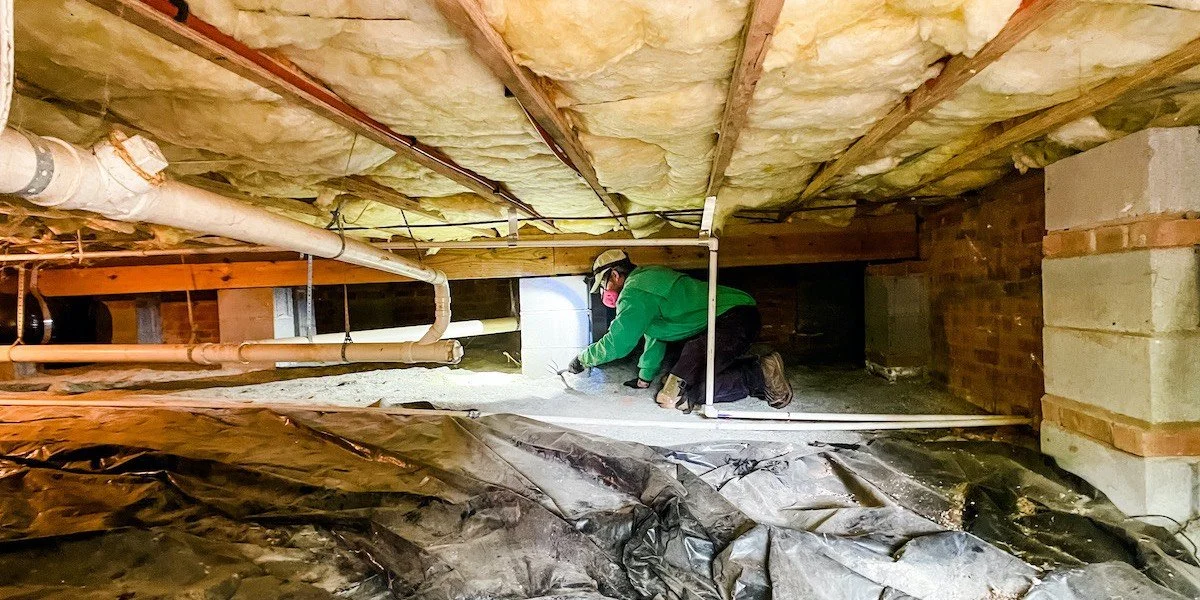
Unveiling the Secrets of Your Home's Crawlspace: A Must-Know Guide
Hidden beneath your living space lies an enigmatic realm that plays a crucial role in maintaining the structural integrity and safety of your property: the crawlspace. This often overlooked area conceals vital components such as your plumbing, electrical systems, and even your home's foundation. In this blog, we'll delve into the mysteries of your crawlspace, why it's essential to know what's happening down there, and how Details Home Inspections can help you ensure it's in the best possible condition.
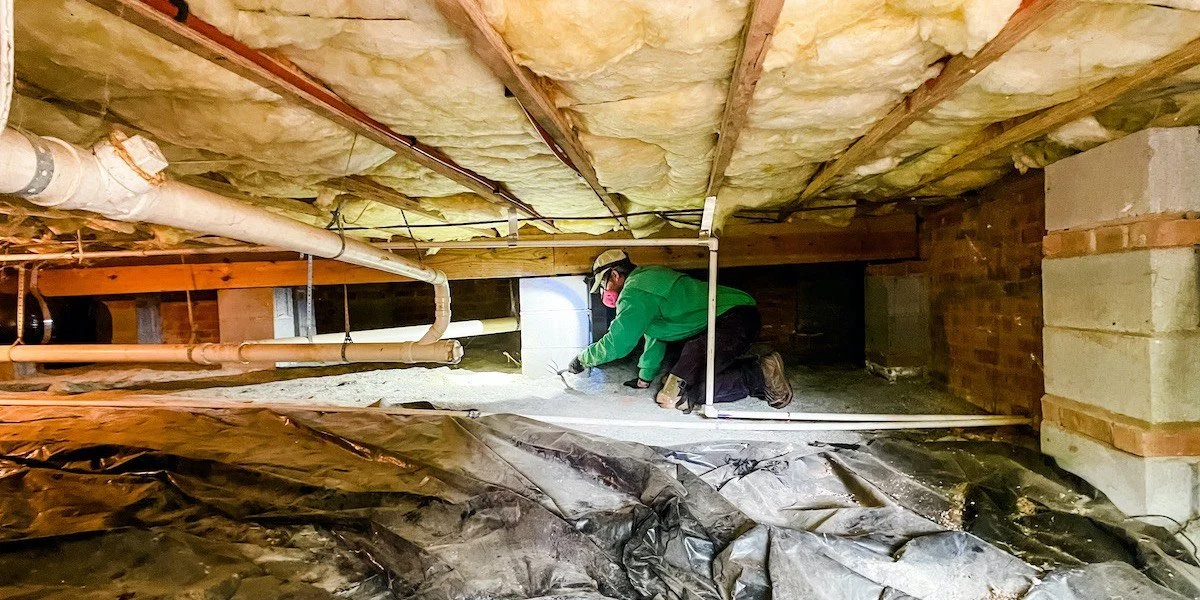
Your home's crawlspace, that often overlooked and mysterious area beneath your living space, plays a vital role in maintaining the structural integrity and safety of your property. In this blog post, we'll delve into what goes on in your crawlspace, why it's essential to know, and how Details Home Inspections can help you ensure it's in the best condition.
The Hidden World of Your Crawlspace:
Foundation Support: One of the primary functions of the crawlspace is to support your home's foundation. It helps distribute the weight of your house evenly, preventing structural issues.
Plumbing and Electrical Components: Many essential plumbing and electrical systems run through the crawlspace. This area houses pipes, electrical wiring, ductwork, and even HVAC components, making it a crucial part of your home's infrastructure.
Insulation and Ventilation: Proper insulation and ventilation in the crawlspace are essential for maintaining a comfortable and energy-efficient home. A well-insulated crawlspace can help regulate indoor temperatures, while proper ventilation prevents moisture buildup, reducing the risk of mold and rot.
Why It's Important to Know:
Understanding what's happening in your crawlspace is essential for several reasons:
Early Problem Detection: The crawlspace is where issues like water intrusion, mold growth, and structural problems often begin. By regularly inspecting this area, you can catch and address problems early, preventing them from becoming more extensive and costly.
Home Value: A well-maintained crawlspace can positively impact your home's value. Potential buyers are more likely to be interested in a property with a clean, dry, and well-ventilated crawlspace.
Health and Safety: A neglected crawlspace can lead to poor indoor air quality, inviting allergens and mold spores into your living space. This can affect your family's health and well-being.
Details Home Inspections: Your Partner in Crawlspace Care
At Details Home Inspections, we understand the importance of your home's crawlspace and the need to keep it in optimal condition. Here's how we can assist you:
Comprehensive Inspections: Our certified inspectors are trained to examine your crawlspace thoroughly. We check for moisture intrusion, insulation, ventilation, structural issues, and signs of mold or pest infestations.
Detailed Reports: We provide you with comprehensive reports that outline the condition of your crawlspace, including photographs and recommendations for any necessary repairs or maintenance.
Early Problem Detection: With our help, you can identify issues before they become major problems, saving you time, money, and stress.
Peace of Mind: With Details Home Inspections, you can have peace of mind, knowing that your crawlspace is well-maintained, promoting the health and safety of your family.
The crawlspace may be a hidden world beneath your home, but it plays a significant role in its structural integrity and overall well-being. Regular inspections and maintenance are essential to keep this space in optimal condition. Partner with Details Home Inspections to ensure your crawlspace is a safe, clean, and well-ventilated area, contributing to the comfort, value, and longevity of your home. Don't leave this critical area to chance; schedule a home inspection with us and invest in the future of your property.
Details Home Inspections proudly serves a wide array of locations, including Southwest Washington areas such as Clark County, Cowlitz, Lewis, and surrounding regions. In Washington, we cover Vancouver, Battle Ground, Camas, Washougal, Ridgefield, Woodland, La Center, Longview, Kelso, Kalama, Brush Prairie, Hockinson, Hazel Dell, Salmon Creek, Felida, Cascade Park, Stevenson, Carson, Orchards, and Yacolt.
Additionally, our service extends to Portland, OR, and its neighboring areas, including Clackamas, Happy Valley, Milwaukie, Oregon City, Boring, Damascus, Gresham, Sandy, Troutdale, West Linn, Lake Oswego, Gladstone, Canby, Estacada, Welches, Beaverton, Tigard, Hillsboro, Tualatin, Sherwood, and Wilsonville.
Wherever your home is, trust Details Home Inspections for comprehensive and reliable inspection services, ensuring your peace of mind and the safety of your property.

The Unsung Hero: The Importance of Home Insulation
Home insulation often goes unnoticed, yet it plays a crucial role in making your living space comfortable, energy-efficient, and cost-effective. It's the barrier that shields you from extreme temperatures, whether it's the winter cold or the summer heat. In this blog, we'll shine a light on the unsung hero of home construction, exploring the significance of home insulation, its different types, and how it benefits your home's comfort and your wallet.
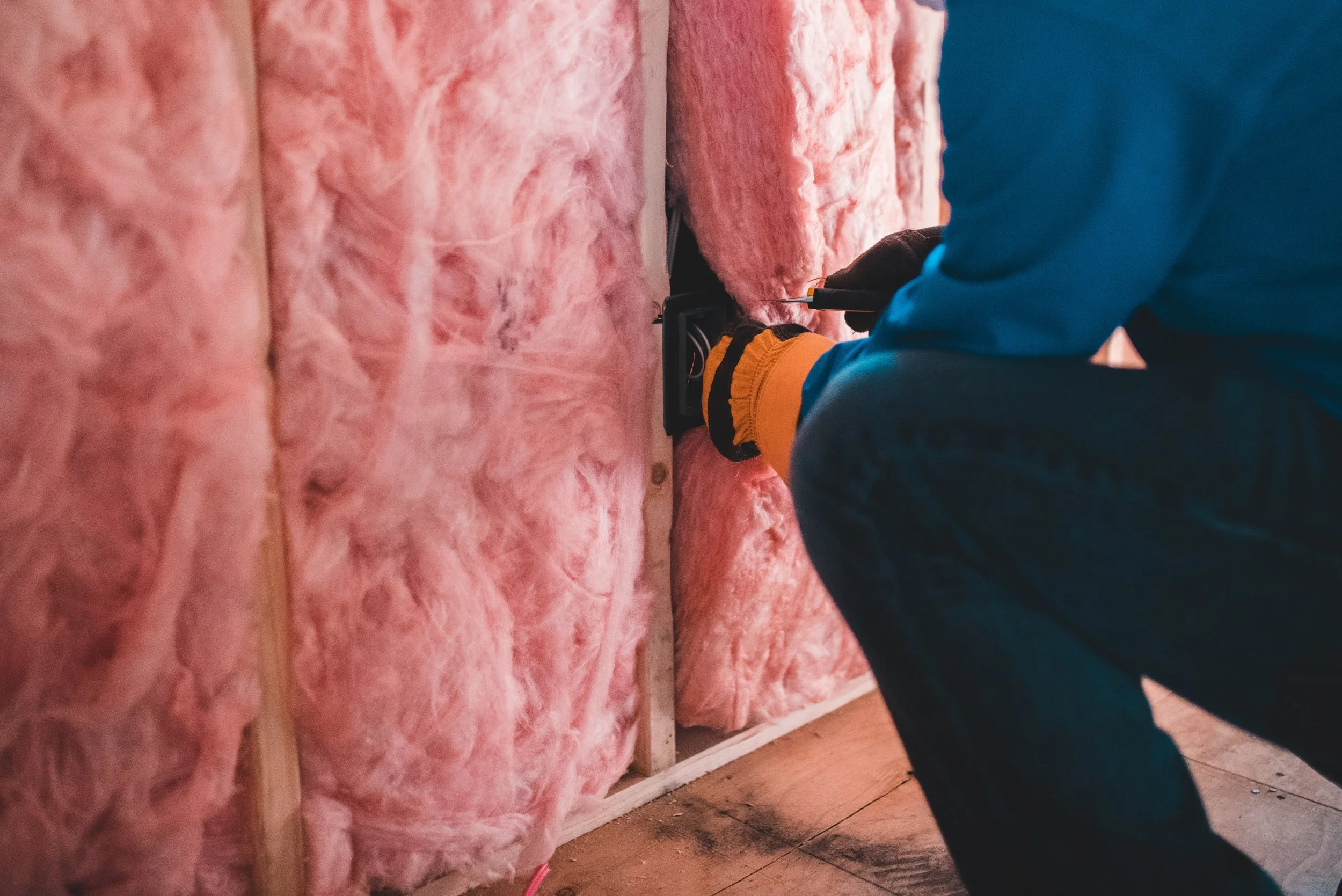
When it comes to keeping your home comfortable, energy-efficient, and cost-effective, insulation is the unsung hero. It's a vital component that often goes unnoticed but plays a significant role in maintaining a pleasant indoor environment while reducing energy bills. In this blog post, we'll explore the importance of home insulation, its various types, and the benefits it brings to your home.
Understanding Home Insulation:
Home insulation is a barrier that helps regulate the temperature inside your home by preventing the transfer of heat between the interior and the external environment. It's typically installed in various areas of your home, such as the attic, walls, floors, and crawlspaces. The primary purpose of insulation is to keep your home warm in the winter and cool in the summer, thus reducing the need for excessive heating or cooling.
Types of Home Insulation:
Fiberglass Insulation: This is one of the most common types of insulation, made of tiny glass fibers. It is available in batts, rolls, and loose-fill forms.
Cellulose Insulation: Made from recycled paper and cardboard, cellulose insulation is treated with fire-resistant chemicals and provides excellent thermal resistance.
Spray Foam Insulation: This type of insulation is sprayed into walls, attics, and crawlspaces. It expands to fill gaps and cracks, offering superior airtightness.
Reflective or Radiant Barrier Insulation: Reflective insulation reflects heat away from your home and is often used in attics to reduce heat transfer from the sun.
Rigid Foam Insulation: Made from materials like polystyrene, polyisocyanurate, or polyurethane, rigid foam insulation is known for its high R-value and durability.
The Benefits of Home Insulation:
Energy Efficiency: Proper insulation prevents heat from escaping in the winter and entering in the summer, reducing your energy consumption and lowering utility bills.
Comfort: Insulation helps maintain a consistent indoor temperature, ensuring you stay comfortable year-round.
Noise Reduction: Insulation can act as a sound barrier, reducing noise from outside and between rooms in your home.
Improved Indoor Air Quality: Insulation helps seal your home, preventing outdoor pollutants and allergens from entering, thus improving indoor air quality.
Environmental Benefits: Reducing energy consumption through proper insulation is not only cost-effective but also environmentally responsible, reducing your carbon footprint.
Increased Property Value: A well-insulated home can increase your property's value and make it more attractive to potential buyers.
Details Home Inspections and Insulation
At Details Home Inspections, we understand the significance of insulation in maintaining your home's comfort and efficiency. During our comprehensive home inspections, we assess the condition of your insulation, checking for any deficiencies or damage. Our trained professionals provide you with insights into the state of your insulation, ensuring you can make informed decisions to maintain or upgrade it.
Home insulation is an indispensable part of your home, impacting your comfort, energy efficiency, and overall quality of life. By investing in the right insulation type and ensuring it is properly installed and maintained, you can enjoy a comfortable home, lower energy bills, and contribute to a more sustainable future. For professional assistance in assessing your insulation's condition and efficiency, trust Details Home Inspections. We're here to help you make the most of this unsung hero in your home.
Details Home Inspections proudly serves a wide array of locations, including Southwest Washington areas such as Clark County, Cowlitz, Lewis, and surrounding regions. In Washington, we cover Vancouver, Battle Ground, Camas, Washougal, Ridgefield, Woodland, La Center, Longview, Kelso, Kalama, Brush Prairie, Hockinson, Hazel Dell, Salmon Creek, Felida, Cascade Park, Stevenson, Carson, Orchards, and Yacolt.
Additionally, our service extends to Portland, OR, and its neighboring areas, including Clackamas, Happy Valley, Milwaukie, Oregon City, Boring, Damascus, Gresham, Sandy, Troutdale, West Linn, Lake Oswego, Gladstone, Canby, Estacada, Welches, Beaverton, Tigard, Hillsboro, Tualatin, Sherwood, and Wilsonville.
Wherever your home is, trust Details Home Inspections for comprehensive and reliable inspection services, ensuring your peace of mind and the safety of your property.

The Silent Invader: Unveiling the Secrets of Household Mold
Mold, a silent invader, can take root in your home without you even noticing. It thrives in damp and hidden corners, silently posing risks to both your health and the integrity of your property. In this blog post, we'll unveil the secrets of household mold, its growth process, and the potential dangers it poses. Learn how Details Home Inspections can help identify and address mold issues during comprehensive inspections, ensuring your home remains a healthy and safe haven for your family.

Mold, the silent intruder, is a common yet often underestimated issue in many households. This uninvited guest can not only affect your health but also compromise the structural integrity of your home. In this blog, we will delve into the world of household mold, uncovering how it grows, the potential dangers it poses, and what you can do to combat it. At Details Home Inspections, we're committed to helping you identify signs of mold during our inspections, ensuring the safety and well-being of your family.
Understanding Mold:
Mold is a type of fungus that thrives in damp and humid environments. It reproduces by releasing tiny spores into the air, which can land on various surfaces and start new mold colonies. These spores are virtually everywhere in the environment, making it impossible to completely eradicate mold from our surroundings.
The Growth Process:
Mold requires three key ingredients to grow:
Moisture: The most critical factor in mold growth is moisture. Mold can start growing on any surface that remains consistently damp. Leaky pipes, roof leaks, high indoor humidity, and flooding are common sources of moisture that support mold growth.
Organic Material: Mold feeds on organic materials such as wood, paper, fabric, and even dust. These materials provide a food source for mold to thrive.
Suitable Temperature: Mold typically grows in temperatures between 60°F and 80°F, which are common in most homes.
Where Mold Hides:
Mold can thrive in various areas of your home, including:
Bathrooms: Due to high humidity levels, bathrooms are a common breeding ground for mold, often appearing on shower curtains, tiles, and grout.
Basements: Poor ventilation and potential water infiltration make basements susceptible to mold growth.
Kitchens: Leaky pipes and food residue can create ideal conditions for mold in kitchens.
Attics: Inadequate insulation and ventilation can lead to moisture buildup in attics.
The Dangers of Mold:
Mold isn't just unsightly; it can also pose serious health risks. Exposure to mold can cause a range of health problems, including respiratory issues, allergies, skin irritation, and even more severe conditions in those with compromised immune systems. Additionally, mold can weaken the structure of your home over time, potentially leading to costly repairs.
How We Can Help:
At Details Home Inspections, we understand the importance of a mold-free living environment. During our comprehensive inspections, we thoroughly assess your home for signs of mold. Our trained professionals will check for visible mold, moisture issues, and other potential risk factors. By identifying problems early, we can help you take proactive steps to prevent mold infestations and safeguard your home.
Preventing and Addressing Mold:
Maintain Proper Ventilation: Use exhaust fans in bathrooms and kitchens to reduce humidity. Ensure that your home has good airflow to prevent moisture buildup.
Fix Leaks Promptly: Address any plumbing or roof leaks as soon as they are discovered to prevent water intrusion.
Keep Surfaces Dry: Wipe down and dry surfaces prone to moisture regularly, such as showers and sinks.
Control Indoor Humidity: Invest in a dehumidifier to maintain indoor humidity levels below 50%.
Remove Mold Safely: If you find mold, take precautions when removing it, including wearing protective gear and using appropriate cleaning products. If the issue is extensive, consider hiring a professional mold remediation service.
Household mold is a common issue that can have serious consequences for your health and home. Preventing and addressing mold growth is essential to maintain a safe and comfortable living environment. When buying a home, trust Details Home Inspections to thoroughly assess your property for signs of mold, ensuring peace of mind and a healthy living space for you and your family. Don't let mold go unnoticed; take action today to protect your home and loved ones.
Details Home Inspections proudly serves a wide array of locations, including Southwest Washington areas such as Clark County, Cowlitz, Lewis, and surrounding regions. In Washington, we cover Vancouver, Battle Ground, Camas, Washougal, Ridgefield, Woodland, La Center, Longview, Kelso, Kalama, Brush Prairie, Hockinson, Hazel Dell, Salmon Creek, Felida, Cascade Park, Stevenson, Carson, Orchards, and Yacolt.
Additionally, our service extends to Portland, OR, and its neighboring areas, including Clackamas, Happy Valley, Milwaukie, Oregon City, Boring, Damascus, Gresham, Sandy, Troutdale, West Linn, Lake Oswego, Gladstone, Canby, Estacada, Welches, Beaverton, Tigard, Hillsboro, Tualatin, Sherwood, and Wilsonville.
Wherever your home is, trust Details Home Inspections for comprehensive and reliable inspection services, ensuring your peace of mind and the safety of your property.